Tuesday, 4 December 2012

CLASSIFYING RUBBISH


Shelley from wastewise came to Room 4 to help us classify our rubbish. We had to identify what would go into recycling, compost, hazardous waste, paper recycling, worm farm, e-waste, reusing, recycled plastics,
and landfill.
It was quite hard to sort all the pictures into the right category and it looked bad as quite a lot went to the landfill. Some of the food scraps we would have given to the chickens, or our dogs.

Waste wise Certificate


Shelley visited the school again to present us with our certificate to celebrate the completion of our first year of participating in the Waste wise programme.  Ryan, from Room 5 accepted the certificate on behalf of the school.  Thanks Shelley for your help and guidance throughout the year.  We look forward to continuing next year. 

Sunday, 28 October 2012

Sculptures using recycled materials

This year, to fit in with our waste wise goals, the sculpture challenge for calf club was to use waste materials and use them to make a garden sculpture which moved and produced sound.  There was an amazing number of imaginative creations.  From the simple to the elaborate hey used a wide variety of different materials.  Congratulations to the students who presented their works of art.  I hope they are in a garden somewhere for people to enjoy and admire.

Recycled Sculptures at Calf Club

Recycled Sculptures at Calf Club on PhotoPeach

Thursday, 2 August 2012

Sunday, 29 July 2012

Milk For Schools- what to do with the cartons.

Some of us have been enjoying a carton of Fonterra milk each day for a few weeks now. We have learnt that we need to dispose of the cartons properly after drinking the milk. Otherwise they create waste problems or they smell. At assembly this week we were reminded of what to do with the cartons. The message was Drink it dry, Fold it flat, Send it back. The cartons are then recycled and made into items like notebooks and roofing suitable for buildings.

Sunday, 24 June 2012

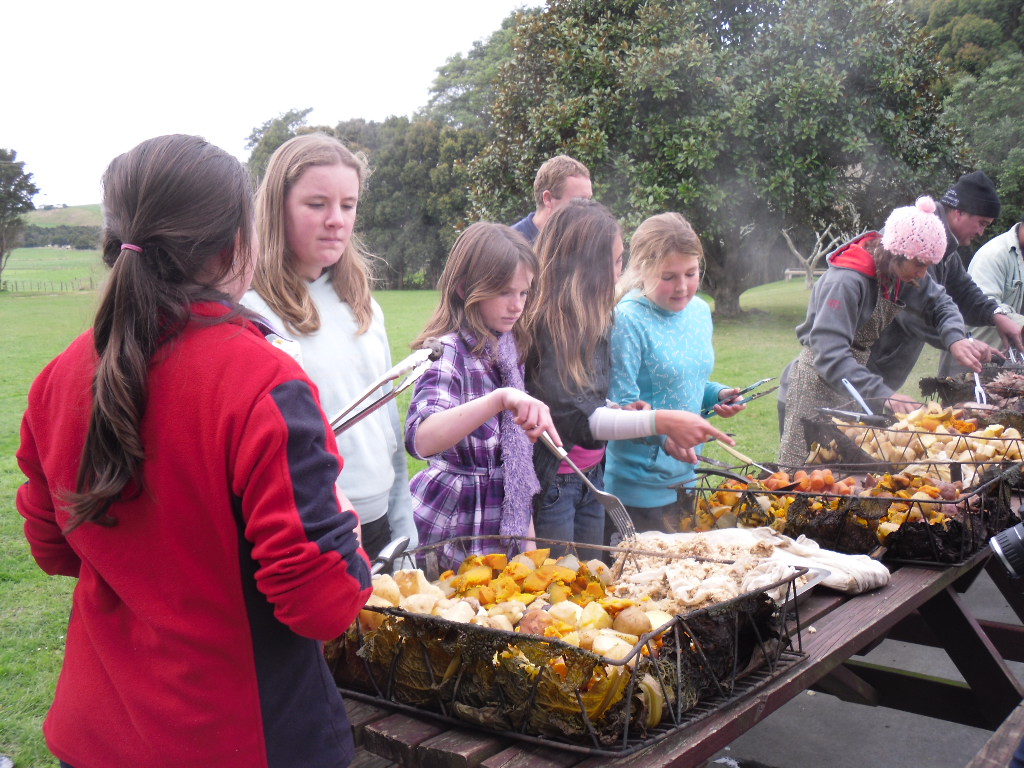
Traditional waste wise practices

As part of our study of traditional customs we looked at how food was prepared in a hangi. We found that people were very waste wise, using wood as fuel for the fire, stones that were utilized over and over, and flax for serving food. There was very little waste. We tried to be as waste wise as possible. We brought our own utensils and plates from home so we didn't have disposable items. We used our lunch boxes to take home food to share with our families.